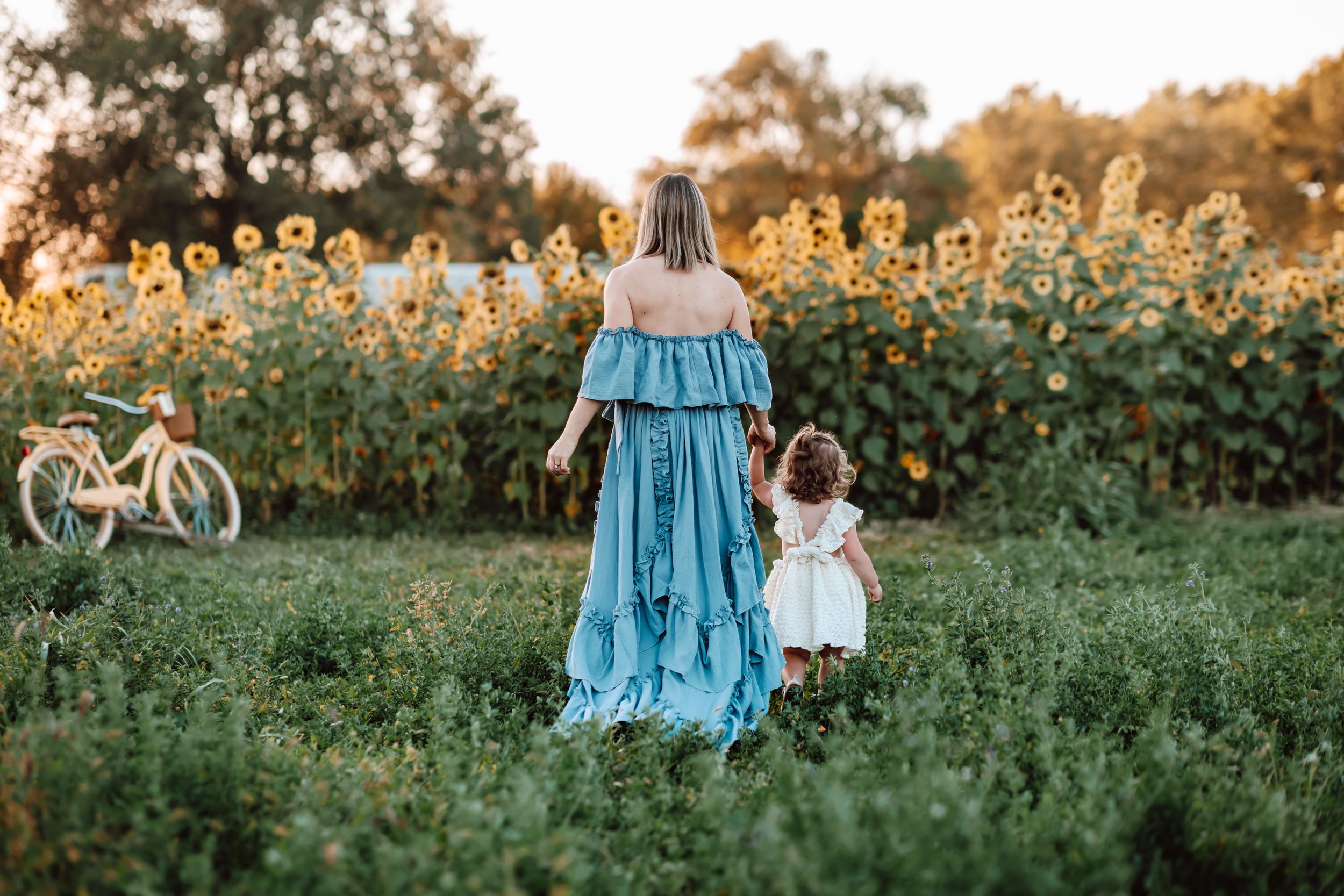
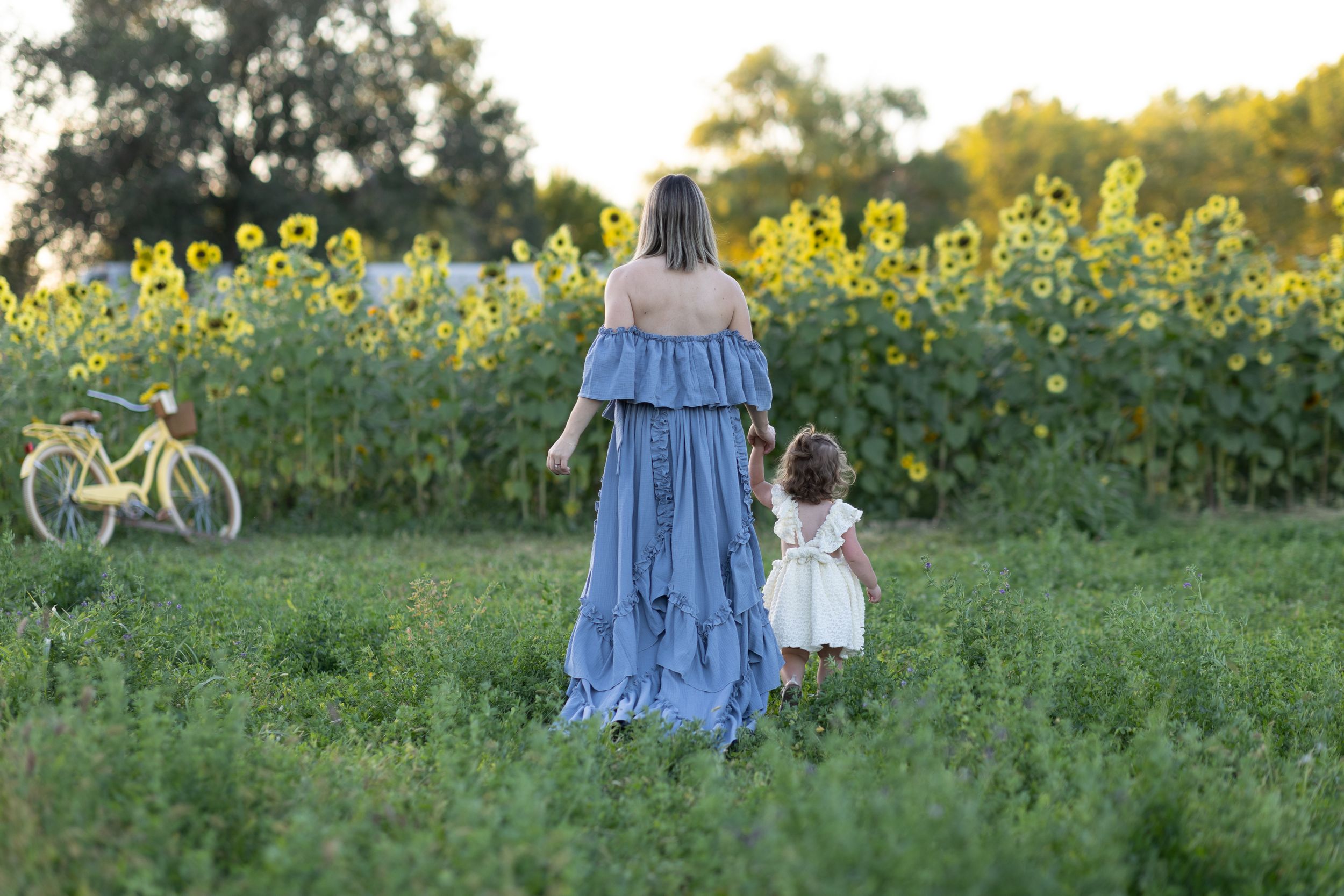
the myth, the legend, the raw
Photographers love to get worked up over whether or not to give out unedited photos. Some call them “RAWs” like they’re sacred artifacts, something only the chosen few should ever lay eyes on.
To be honest, the term itself is a bit of a misnomer in conversations with clients. Because here’s the thing: RAW files aren’t even viewable on most computers without special software. You can’t just double-click and open them like a JPEG. So, if a client were to get their hands on a RAW file, they likely wouldn’t even know what to do with it.
And even if they could? So what?
Let’s be real: most of us are not Van Gogh. We’re not producing one-of-a-kind masterpieces that will hang in a museum for centuries. We’re documenting life as it happens. Yes, it takes skill, patience, and vision. Yes, it’s art. But does that mean we should hold these memories hostage? I don’t think so.
But this debate often goes beyond technicalities; it touches something deeper—something that, for many, feels sacred and untouchable.
In this blog, we’re going to push past the industry norms and explore a different perspective—one that embraces the unedited. I’m here to break the stigma around sharing unpolished moments, to tell you why I do it, and to remind you that you don’t have to feel guilty for doing the same.
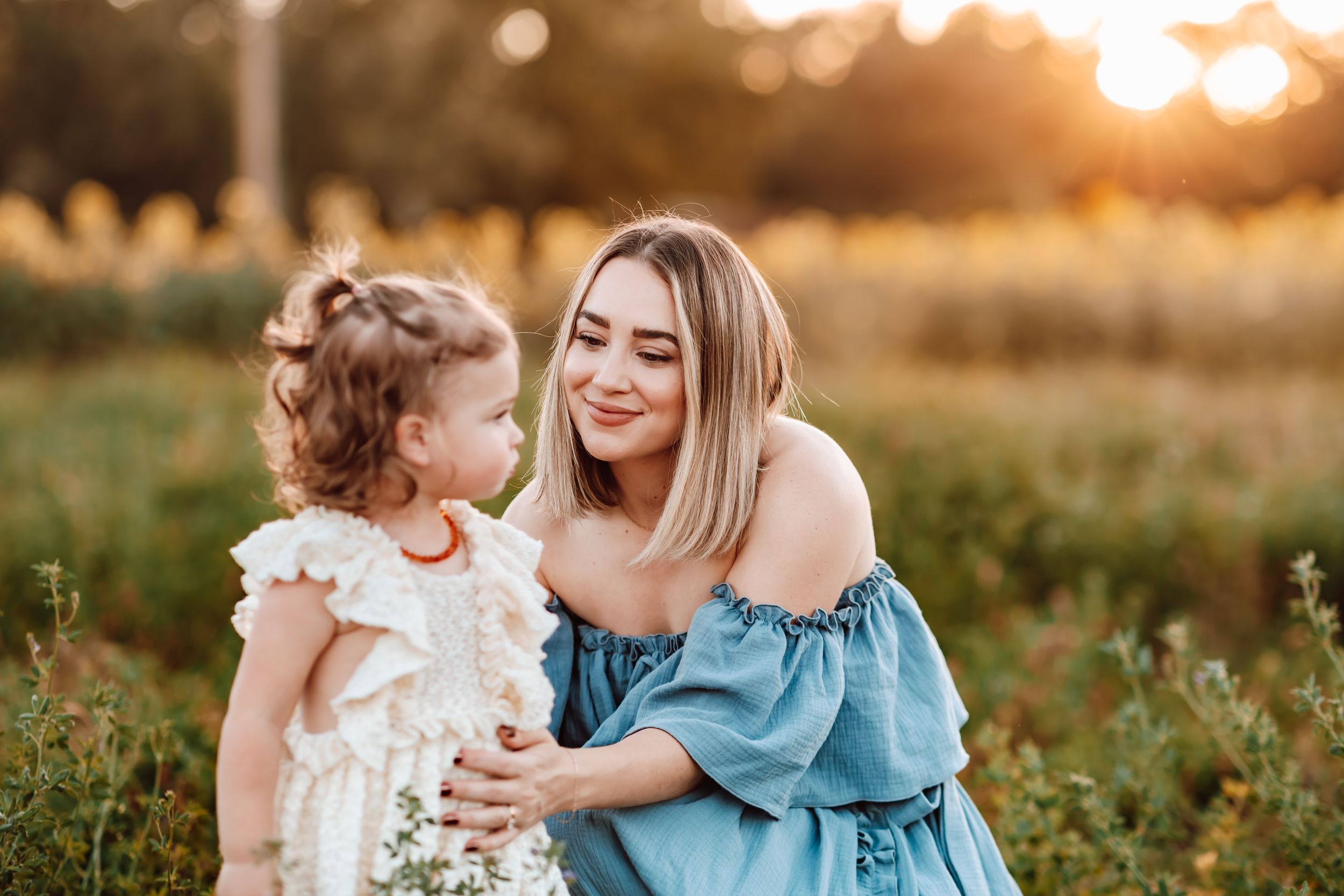
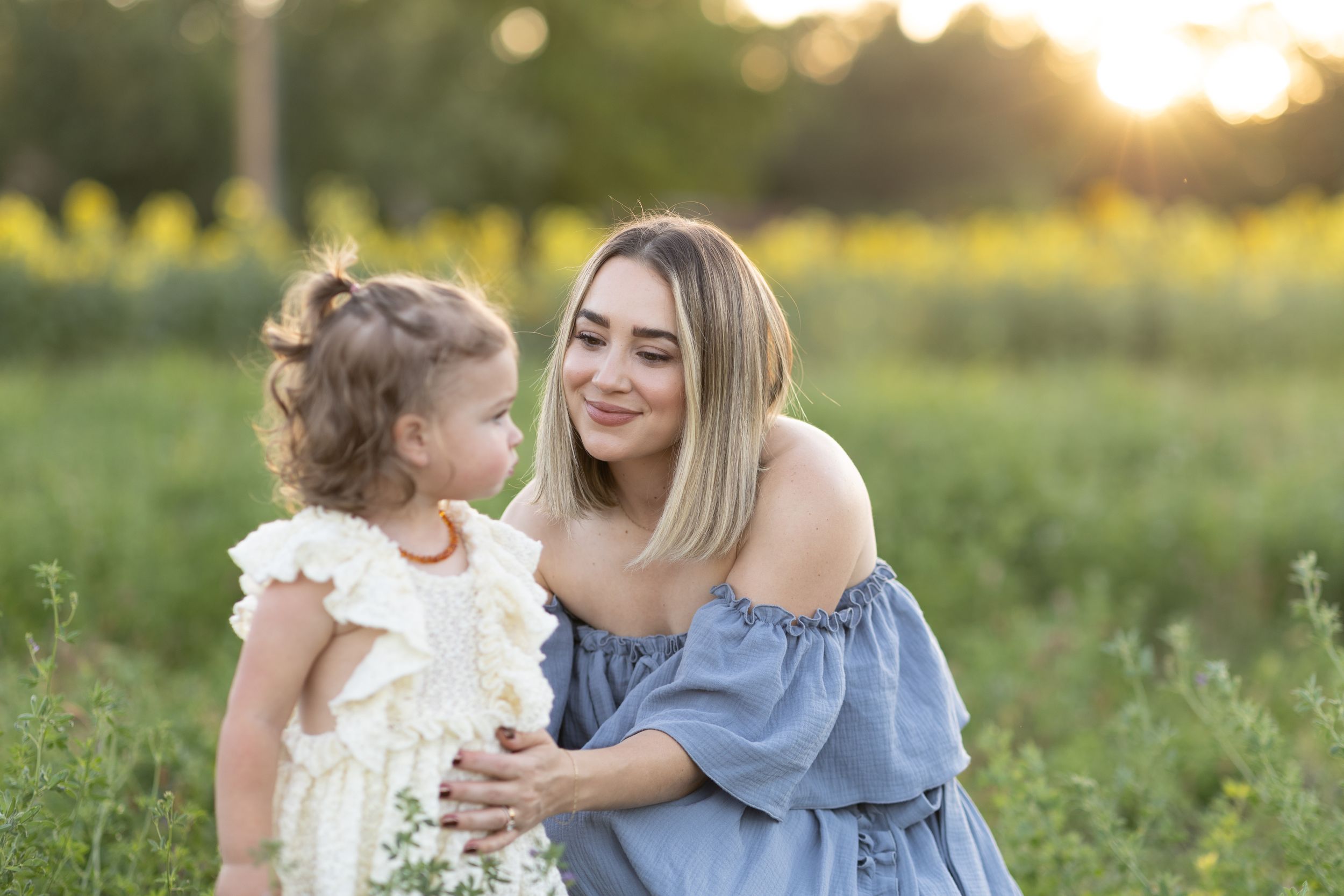
“I’ll keep giving my clients every ounce of my heart and not just my technical skill.”
My philosophy is simple:
these memories are not mine
The battle cry. The industry standard. The hill many are willing to die on.
And yet, here’s where I break away.
Yes, I worked for these images. Yes, I poured hours into perfecting them. Yes, they are a product of my skill, my vision, and my labor. But at the end of the day, these photos do not belong to me. They belong to the people in them—the ones who will look back on them in 10, 20, or 50 years, long after the moment has passed. The ones who will hold onto them when life has moved forward, when faces have changed, when loved ones are no longer here.
I get it—photography is an art form, and like any artist, you want your work to be seen as you intended. You want the lighting perfected, the colors balanced, the composition just right. I understand that.
But I also know that photography is more than just art—it’s memory. And that’s why I do things differently. I do share unedited photos—unpolished JPEGs, blooper reels, the in-between moments.
And I do it with love, with intention, and without apology.
Why i send unedited photos
Sending unedited photos, or "Blooper Reels" as I like to call them - are small gestures that leave such a massive impact. They’re unedited, raw (in the truest sense of the word), and imperfect.
They’re also real. These reels capture the in-between moments: the goofy laughs, the windblown hair, the scrunched noses and mid-blink smiles. The moments that might not make the final cut, but still carry so much heart - they mean something.
They matter.
And here’s the thing: they don’t threaten the integrity of my work. They add to it. They remind my clients that their lives, their moments, are beautifully human—messy, unpredictable, and full of joy.
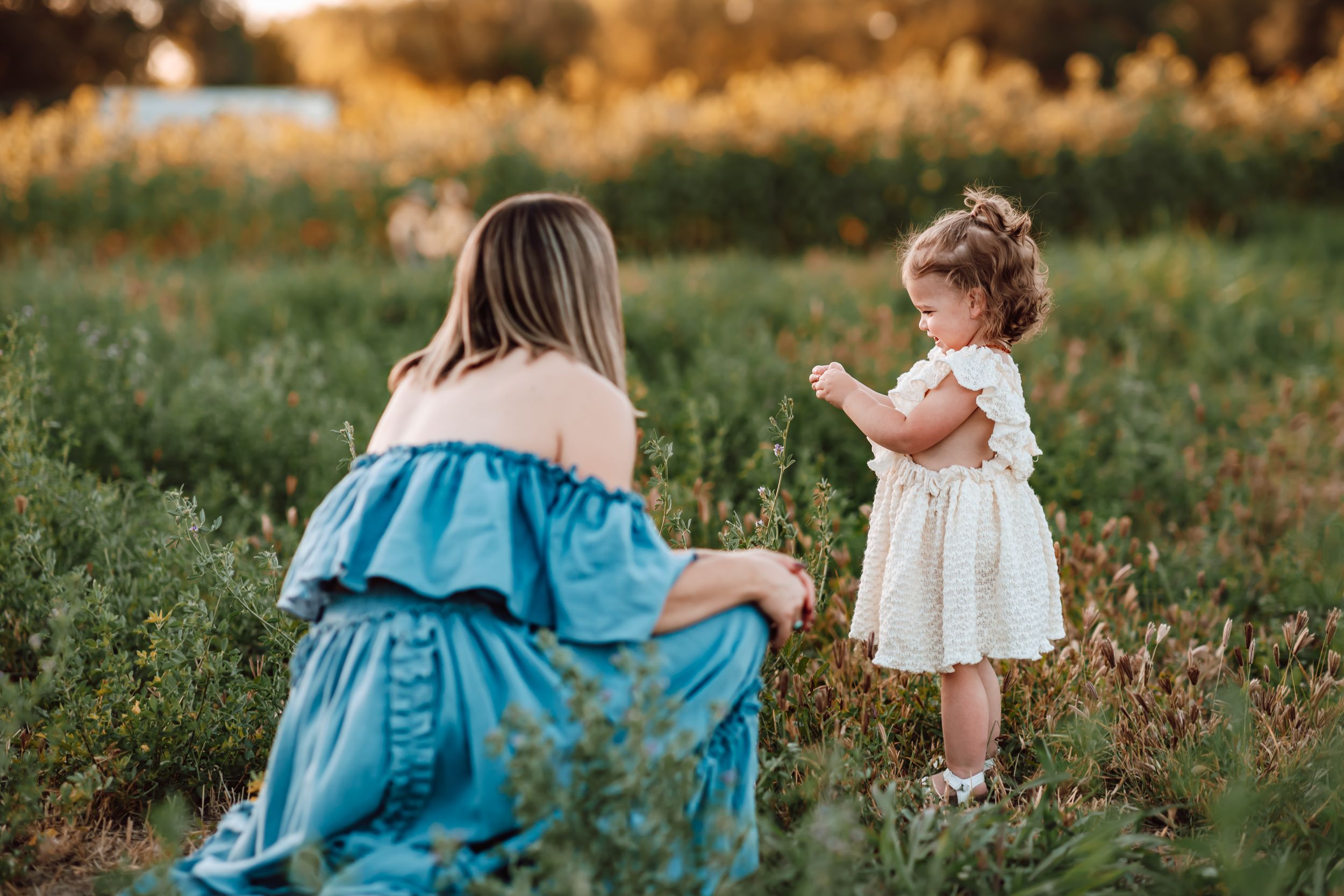
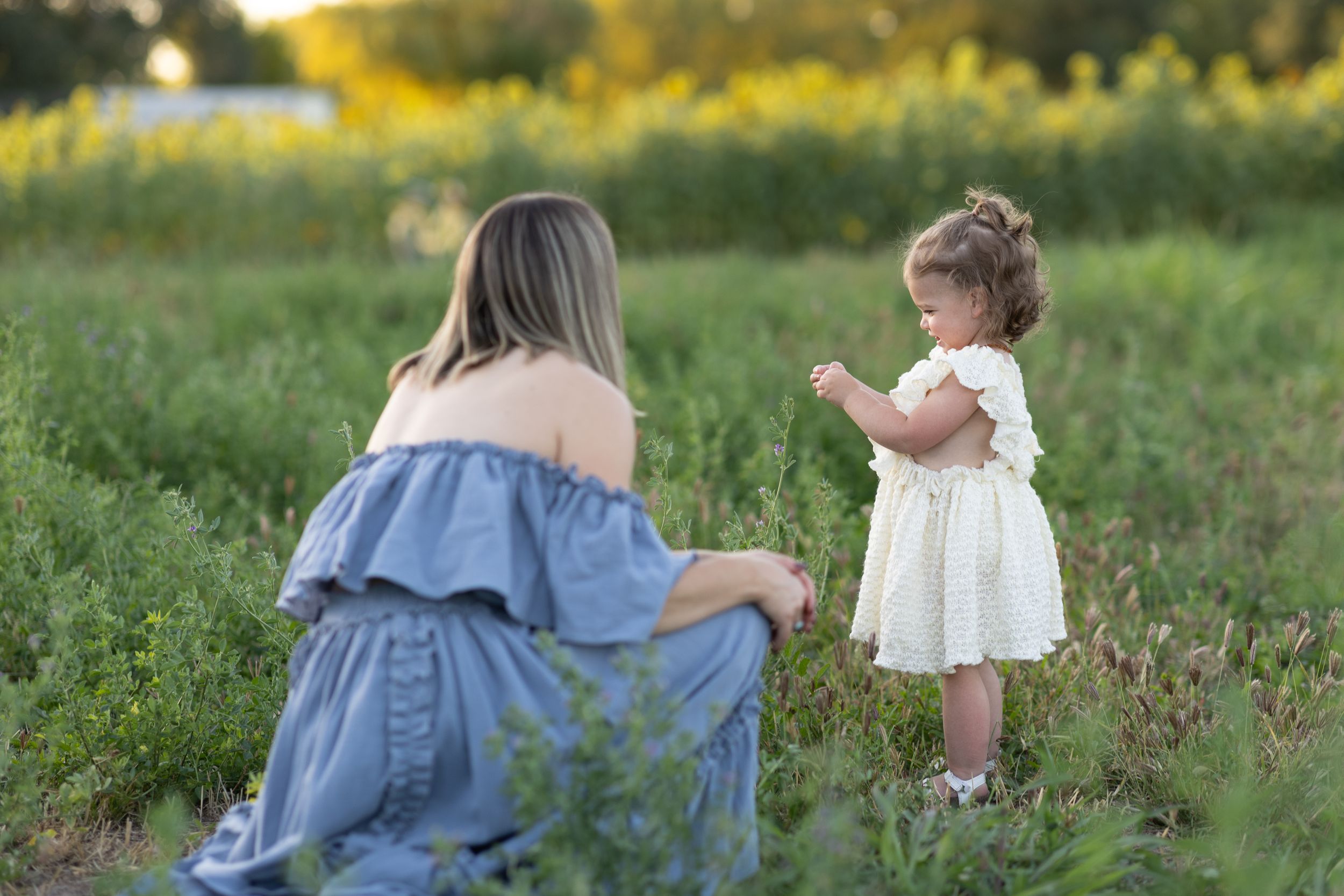
“And yet, this argument persists, as if delivering anything less than a fully polished, edited photo is some kind of professional malpractice. It’s not. Because at its core, photography isn’t about perfection—it’s about connection.”
The “Raw Photos Are Like Raw Meat” Argument
People love to say, “Chefs don’t serve raw pork, and photographers don’t serve raw photos.” It’s a catchy metaphor, sure—but let’s break it down.
A chef doesn’t serve raw pork because it could literally poison you. It’s a health hazard. A public safety issue. A potential lawsuit waiting to happen.
A photographer giving a client an unedited JPEG? That’s not going to cause trichinosis. A slightly overexposed image isn’t going to send anyone to the ER. No one’s waking up in a cold sweat because they saw an unretouched photo with flyaway hairs and a little too much shadow.
So let’s not pretend these things are the same.
A more accurate comparison? Would be to say that an artist should never show someone a sketch before painting the final masterpiece. Or that a musician should never share a live acoustic version of a song just because it hasn’t been through post-production yet.
But we love those raw, unfiltered versions, yes?
Why? Because they feel real.
And that’s what these moments are. Real. Unfiltered. Honest. Sometimes messy, sometimes imperfect, but always authentic.
So, no—giving my clients unedited photos isn’t the same as serving raw meat. It’s not a health hazard. It’s not irresponsible. It’s simply giving them more of their story.
And if that breaks the rules, so be it.
art, ego, and perspective
There’s a lot of ego in the photography world. A lot of control. A lot of “I am the artist, and you must only see my work the way I intend it.” And sure, I get it. You work hard. You put in hours of editing. You want to present your best work.
Some might even argue that sharing unedited photos diminishes the value of the work. But I think we need to ask ourselves why we feel so attached to this idea. Are we afraid our work won’t be seen as good enough without our edits? Are we holding onto control out of fear or pride?
But when you strip all of that away, what are we really doing here?
I believe in preserving integrity without losing humanity. And humanity, to me, means acknowledging that photography is more than just my cost of doing business, more than my late nights editing, and more than my reputation. It’s about giving people something they can hold onto when the unthinkable happens.
Because to me, photography isn’t just about art. It’s about people. It’s about love and loss and history. It’s about the images that will outlive us.
And so, no—I don’t see my job as just delivering a perfectly curated, highly polished gallery. I see it as making sure that my clients have everything. That if, God forbid, something were to happen, they aren’t left with nothing.
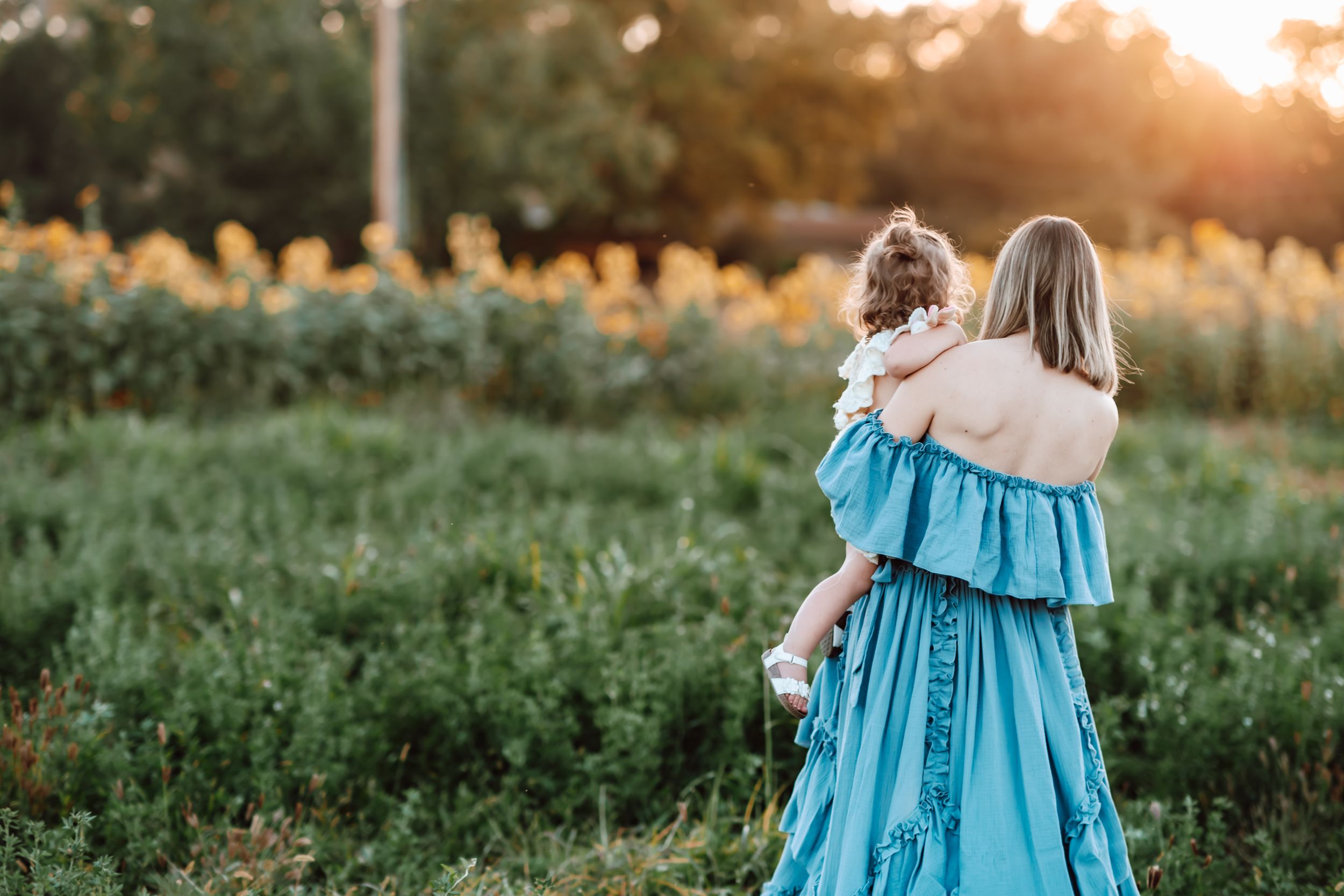
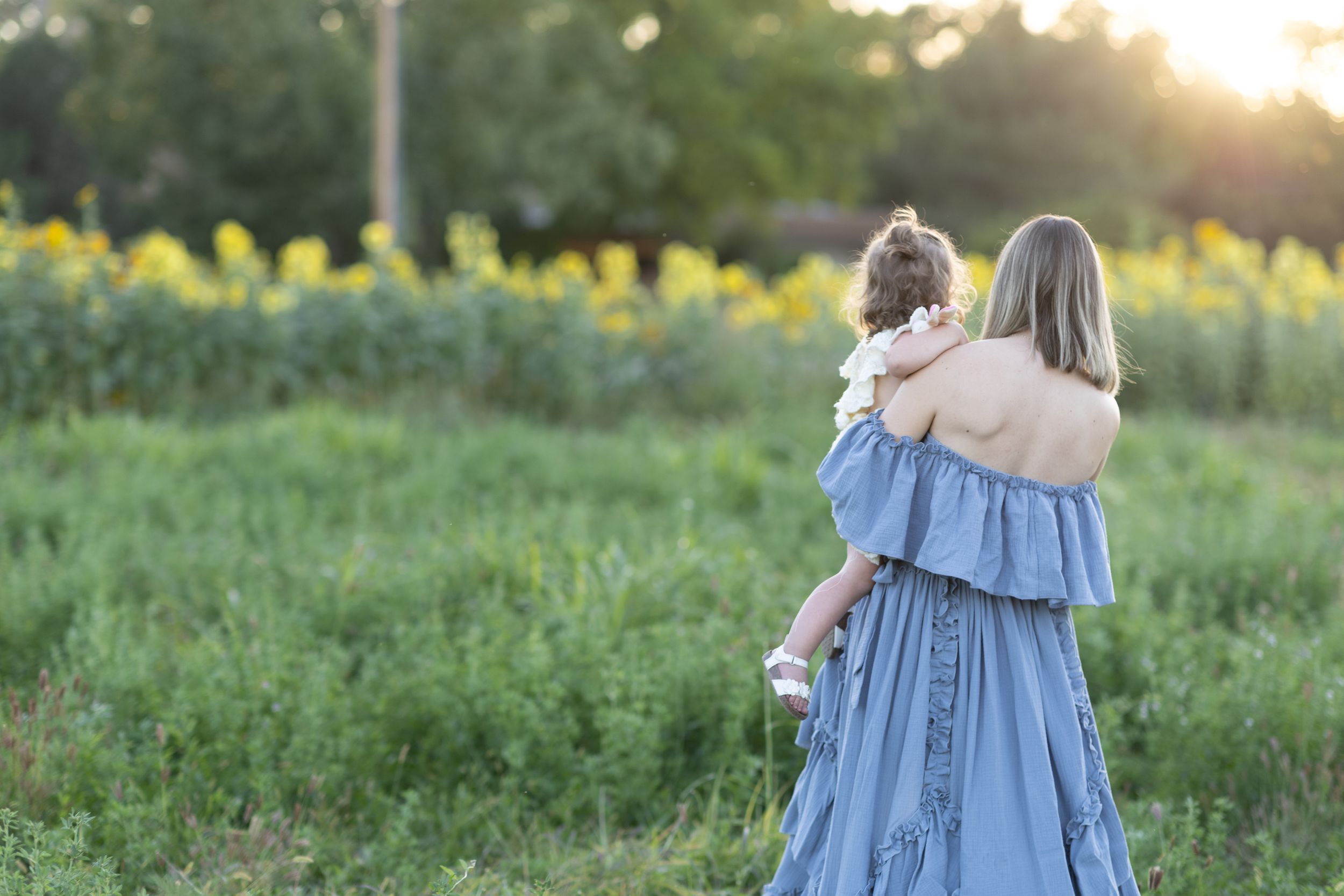
“Life isn’t polished. It’s messy, emotional, and fleeting. And for some, it’s far too short.”
loss changes everything
I have lost so many people in my life—people I will never get to speak to again. And let me tell you, when someone you love is gone, you do not care whether the photo is edited, color-graded, or perfectly composed.
You care that you have it. That you have something. That their face, their freckles, the way they stood in the world, the way they laughed—it’s not just left to memory. That pain, that absence, is something I carry into every session.
I have had clients pass away as well, and I have seen firsthand what these photos really mean to the people who are left behind. When I send a blooper reel, I’m not just sending extra images—I’m sending proof. Proof that they were here. Proof that they existed in all their messy, beautiful, unfiltered reality.
photography is bigger than this debate
Some people won’t understand this. And that’s fine. If all you want is surface-level, then sure—chefs don’t serve raw pork, and photographers don’t serve raw photos.
But I know better. I know that what I do matters. And I will never apologize for making sure my clients have every last piece of their story.
There’s a lot of gatekeeping in photography. A lot of ego disguised as artistic integrity. But I’m not here to play the role of the untouchable artist, handing down only the polished and the perfect. The best moments in life aren’t perfect. The best memories are often unposed, a little messy, full of movement.
And at the end of the day, I don’t care how other photographers run their businesses. If they want to guard every unedited photo like it's a trade secret, that’s their choice. But for me, photography is about something bigger. It’s about making sure my clients don’t have to rely on their memory alone.
So yes, I send unedited JPEGs. I send bloopers. I give my clients everything—because I know what it’s like to have nothing.
And that’s a hill I am willing to die on.
xx Liz